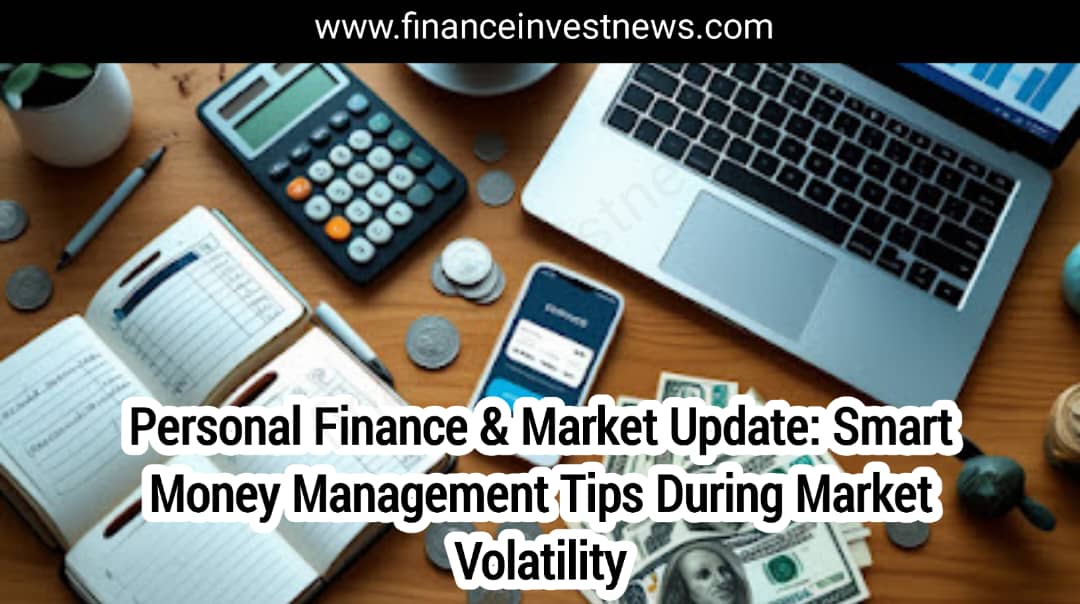
Market volatility has become a regular part of the global financial landscape. Economic uncertainty, inflation concerns, interest rate changes, geopolitical tensions, and rapid technological shifts can cause sudden market swings that impact personal finances. In such conditions, smart money management is not just helpful—it is essential.
This comprehensive guide provides a personal finance and market update with practical, proven strategies to help individuals manage money wisely, protect wealth, and stay financially resilient during volatile markets.

Understanding Market Volatility
What Is Market Volatility?
Market volatility refers to the frequency and magnitude of price movements in financial markets. High volatility means prices change rapidly and unpredictably, creating both risk and opportunity for investors.
Why Markets Are Volatile Today
Current market volatility is driven by multiple factors, including inflation trends, central bank policies, global conflicts, supply chain disruptions, and shifts in investor sentiment. These forces influence stocks, bonds, currencies, and commodities simultaneously.
How Market Volatility Affects Personal Finance
Impact on Investments
Volatile markets can lead to sharp declines or sudden rallies in investment portfolios. Without a strategy, investors may panic and make emotional decisions that harm long-term returns.
Impact on Savings and Purchasing Power
Inflation and interest rate changes affect the real value of savings. Cash held without a plan may lose purchasing power during uncertain periods.
Impact on Employment and Income
Economic instability can affect job security, business revenue, and income streams, making financial preparedness more important than ever.
The Importance of Smart Money Management During Volatility
Why Financial Discipline Matters
During volatile markets, disciplined money management helps protect assets, control spending, and maintain long-term financial goals. It reduces the risk of impulsive decisions driven by fear or greed.
Building Financial Resilience
Resilient finances allow you to absorb shocks, adapt to change, and recover quickly from financial setbacks.
Review and Strengthen Your Financial Foundation
Assess Your Current Financial Situation
Start by reviewing income, expenses, savings, debts, and investments. Understanding where you stand helps you make informed decisions during uncertain times.
Revisit Your Financial Goals
Market volatility may require adjusting timelines but not abandoning long-term goals such as retirement, education, or home ownership.
Build and Maintain an Emergency Fund
Why Emergency Funds Are Critical
An emergency fund acts as a financial buffer during job loss, medical emergencies, or unexpected expenses. It prevents the need to sell investments at unfavorable times.
How Much to Save
Aim for three to six months of essential living expenses. Those with unstable income may need a larger safety net.
Where to Keep Emergency Savings
Keep emergency funds in liquid, low-risk accounts such as high-yield savings or money market accounts for easy access.
Smart Budgeting Strategies in Volatile Times
Focus on Essential Spending
Prioritize necessities such as housing, food, healthcare, and utilities. Identifying non-essential expenses can free up cash for savings and investments.
Adopt Flexible Budgeting
Flexible budgets allow adjustments as income and expenses change, helping you stay in control without feeling restricted.
Track Spending Regularly
Monitoring expenses helps identify patterns, reduce waste, and improve financial awareness.
Managing Debt During Market Uncertainty
Prioritize High-Interest Debt
High-interest debt can quickly undermine financial stability. Paying it down reduces financial stress and improves cash flow.
Avoid Taking on Unnecessary Debt
During volatile periods, avoid excessive borrowing unless it supports essential needs or long-term value.
Consider Refinancing Options
In some cases, refinancing can lower interest rates and improve debt manageability.
Smart Investing Tips During Market Volatility
Avoid Panic Selling
Market downturns can trigger fear, but selling investments during declines often locks in losses. Long-term investors benefit from staying invested.
Stick to a Long-Term Strategy
A well-diversified, long-term investment plan helps smooth short-term market fluctuations.
Dollar-Cost Averaging
Investing regularly regardless of market conditions reduces timing risk and takes advantage of lower prices during downturns.
Diversification as a Risk Management Tool
Why Diversification Matters
Diversification spreads risk across asset classes, industries, and regions, reducing the impact of market volatility on your portfolio.
Rebalancing Your Portfolio
Periodic rebalancing ensures your asset allocation remains aligned with your risk tolerance and goals.
Protecting Your Savings from Inflation
Understanding Inflation Risk
Inflation erodes purchasing power over time. During volatile markets, inflation can be unpredictable.
Inflation-Resistant Assets
Long-term investments such as stocks, real estate, and inflation-protected securities can help preserve value.
Generating Additional Income Streams
Why Multiple Income Sources Matter
Relying on a single income source increases financial vulnerability. Additional income streams provide stability and flexibility.
Active and Passive Income Options
Side businesses, freelancing, dividends, and rental income can supplement primary income and support savings goals.
Insurance and Risk Protection
The Role of Insurance in Financial Security
Insurance protects against major financial losses from unexpected events such as illness, accidents, or property damage.
Reviewing Coverage Regularly
Ensure insurance coverage aligns with your current lifestyle, dependents, and financial responsibilities.
The Psychology of Money During Volatile Markets
Managing Fear and Anxiety
Market volatility can trigger emotional stress. Maintaining perspective and focusing on long-term goals helps reduce anxiety.
Developing a Disciplined Mindset
Discipline, patience, and consistency are key traits of successful money management.
Staying Informed Without Overreacting
Choose Reliable Information Sources
Access accurate, balanced financial news and avoid sensational headlines that encourage impulsive decisions.
Limit Information Overload
Too much information can lead to confusion. Focus on insights that support your financial strategy.
Long-Term Financial Planning During Uncertainty
Adjust, Don’t Abandon, Your Plan
Volatile markets may require short-term adjustments, but long-term financial plans should remain intact.
Regular Financial Checkups
Periodic reviews help ensure your financial strategy stays aligned with changing conditions and goals.
Common Money Mistakes to Avoid During Market Volatility
Making Emotional Decisions
Reacting emotionally to market movements often leads to poor outcomes.
Trying to Time the Market
Market timing is extremely difficult and can result in missed opportunities.
Ignoring Cash Flow Management
Cash flow is critical during uncertain times. Neglecting it can cause financial stress.
Conclusion: Staying Financially Strong in Volatile Markets
Market volatility is unavoidable, but its impact on your personal finances can be managed with the right approach. By focusing on smart money management, disciplined investing, emergency preparedness, and long-term planning, individuals can protect wealth and stay financially secure.
This personal finance and market update highlights that successful financial management during volatility is not about predicting markets, but about preparation, resilience, and consistency.
Stay informed, stay disciplined, and let smart money management guide you through market uncertainty.